

Understanding Foundation Movement in North & West Harris County for Home Buyers in 2026
Foundation movement is a growing concern for home buyers in North and West Harris County, including communities like Cypress, Tomball, Jersey Village, Copperfield, Bridgeland, and Towne Lake. The region’s highly reactive clay soils expand when wet and shrink when dry, causing the ground beneath homes to shift. After several years of alternating wet and dry weather, foundation issues are becoming more noticeable in 2026. Knowing what to look for and how to protect your investment can save you thousands of dollars and a lot of stress.
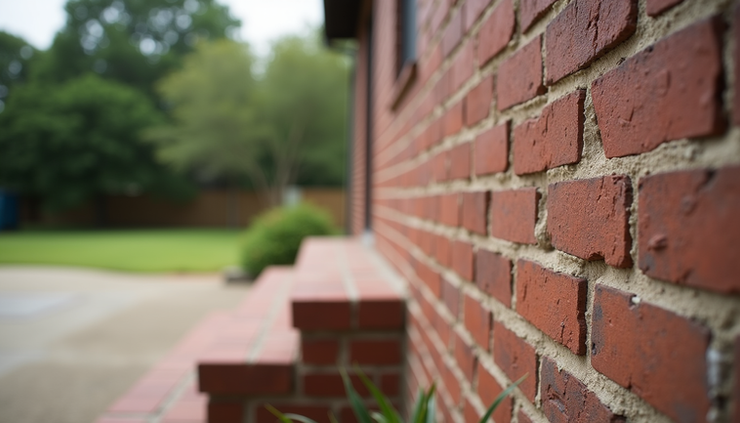
Signs of Foundation Movement to Watch For
Buyers should be alert to common warning signs that indicate foundation problems:
Stair-step cracks in brick veneer
Doors or windows that stick or fail to latch properly
Uneven floors, especially in long hallways or open-concept rooms
Cracks in sheetrock near corners or ceiling lines
Gaps between baseboards and flooring
Cracks or heaving along exterior slab edges
Spotting these early can help you negotiate repairs or credits before closing.
Differences Between New and Older Homes
Foundation issues vary depending on the age and construction of the home:
New Construction (Bridgeland, Miramesa, Dunham Pointe)
Problems often arise from poor final grading, missing or clogged French drains, or downspouts that dump water too close to the slab. These issues can cause water to pool and soil to expand beneath the foundation.
Older Homes (Jersey Village, Copperfield, built 1980s–2000s)
These homes typically have pier-and-beam or slab foundations that have endured decades of soil movement. Treatment warranties may have expired, and tree roots can interfere with the foundation’s stability.
Understanding these differences helps buyers know what to expect and what questions to ask.
What a Gold Medal Inspection Includes
A thorough foundation inspection is essential. Here’s what a trusted inspection covers:
Moisture and drainage evaluation around the home’s perimeter
Pier-and-beam crawlspace check when applicable
A full report with photos delivered on site the same day
This detailed information supports buyers in making informed decisions and negotiating repairs.
Real Examples from 2026 in the Area
Recent cases highlight the importance of inspections and negotiations:
A Bridgeland home showed a 2.8-inch differential across the slab. The buyer secured a $22,000 credit for piering repairs.
In Towne Lake, active heaving under a garage led the seller to re-grade the yard and add drainage solutions.
A resale home in Copperfield had stair-step cracks; the seller paid for foundation stabilization before closing.
These examples show how foundation issues can be addressed proactively.
Quick Advice for Home Buyers
Never waive the foundation inspection, even on new builds.
Request the builder’s soil report and pier plan for new construction.
Use on-site level readings to get engineer opinions or negotiate repair credits before closing.
Taking these steps protects your investment and peace of mind.
Call 281-367-3111 or book instantly at theinspectorman.com
Same-day & weekend slots open.
Gold Medal Inspections – Leveling the playing field on site, every time.


Comments