

Porter Home Inspections 2026 Hidden Issues Buyers Should Know
- 7 days ago
- 5 min read
Porter keeps attracting buyers who want more elbow room without getting too far from Houston. The appeal is easy to understand: larger lots, quieter roads, mature trees, room for shops or gardens, and homes with more character than many newer subdivisions.
That country-living feel can be a great fit. It can also hide costly repair issues that do not always show up during a quick showing.
At Gold Medal Inspections, we have inspected dozens of Porter properties this year. The same patterns keep coming up in 2026, especially in older homes, acreage properties, and houses outside full municipal utility service. Here is what buyers should know before falling in love with the land, the porch, or the extra square footage.

Porter homes often look solid from the curb
A home can look well cared for at first glance and still have issues that matter. This is common in Porter because many homes sit on larger lots, were built decades ago, or have been updated in pieces over time.
A fresh coat of paint can make a home feel move-in ready. New flooring can make the interior look clean. A beautiful lot can make buyers picture weekends outside before they look closely at drainage, roof age, or foundation movement.
That is where a full inspection helps. It slows the process down and looks at the house as a system.
The structure, roof, attic, electrical, plumbing, grading, drainage, and visible site conditions all connect. A roof leak can affect attic framing. Poor drainage can affect the slab. Older plumbing can become a larger concern when paired with foundation movement.
Aging roofs are one of the most common surprises
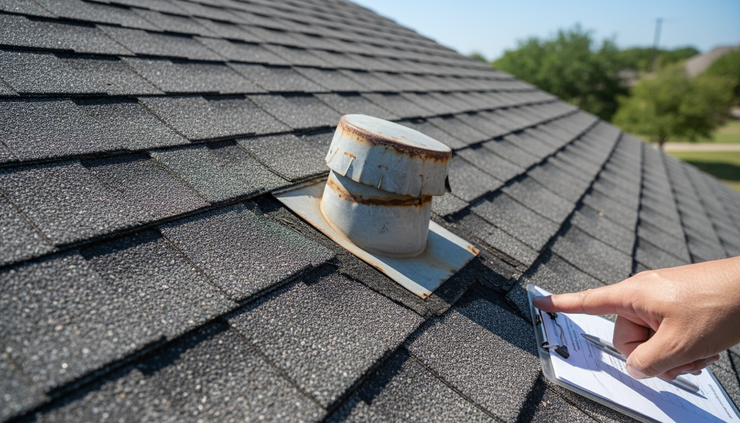
Many Porter homes from the 1980s and 1990s still have roofs that look acceptable from the driveway. From the ground, shingles may appear flat and uniform. The roofline may look clean. There may be no obvious missing shingles.
Up close, the story can change.
Common roof concerns include:
Worn or brittle shingles
Granule loss
Exposed nail heads
Aging flashing
Soft or damaged decking indicators
Patchwork repairs from prior leaks
Vent or boot deterioration
A roof near the end of its service life changes the deal. It can affect insurance, closing negotiations, and the buyer’s repair budget right away.
One Porter property we inspected this year looked charming from the outside and sat on several acres. The roof was near end of life. With clear photos and inspection findings in hand, the buyer negotiated a $14,000 credit.
That kind of result starts with knowing what is actually there.
Foundation movement is common in local clay soils
Porter homes, like many homes in the greater Houston area, can show signs of foundation movement. Clay soils expand and contract as moisture levels change. Over time, that movement can affect slabs, walls, doors, windows, and rooflines.
During an inspection, the visible clues matter. These may include:
Cracks in brick, drywall, or tile
Doors that rub or do not latch
Windows that stick
Uneven floors
Gaps around trim
Separation at exterior materials
Sloping or cracked flatwork near the home
Not every crack means major foundation trouble. Some cracks are cosmetic or typical for the age of the house. The concern is the full pattern.
In one Porter resale, visible signs of foundation settling showed enough concern that the issue became part of the negotiation. The seller completed stabilization repairs before closing.
That is the value of finding the concern early. Buyers can ask better questions, request documentation, and decide whether the home still fits their comfort level.
Older plumbing and electrical systems need careful attention
Larger, older homes often come with a mix of original systems and partial updates. A kitchen may look new while older plumbing remains in the walls. A panel may have modern-looking breakers while older wiring conditions still need review.
In Porter homes from prior decades, inspections often find visible concerns such as:
Aging water supply lines
Older drain materials
Unprotected or improper wiring
Double-tapped breakers
Missing GFCI protection in key areas
Open junction boxes
Amateur repairs
Inconsistent upgrades from past remodels
These issues do not always mean a deal should fall apart. They do mean buyers need the full picture.
Electrical and plumbing repairs can add up quickly, especially if walls, attic spaces, crawl areas, or exterior systems are involved. A thorough home inspection helps separate simple maintenance items from bigger safety or budget concerns.

Bigger lots can create bigger drainage problems
A large lot is one of Porter’s biggest selling points. It can also be one of the most overlooked sources of trouble.
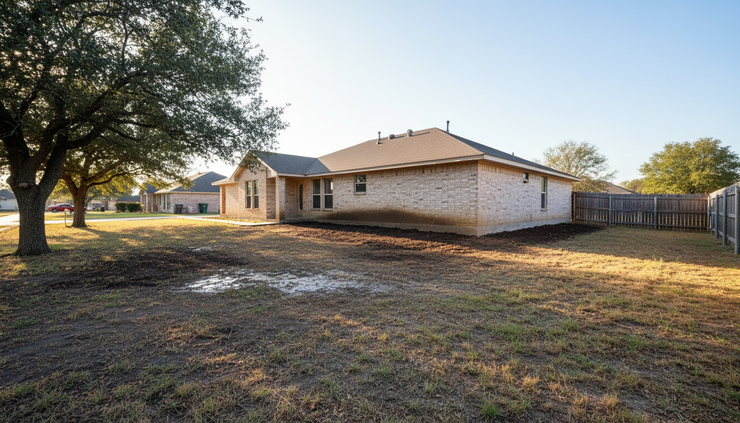
Water should move away from the house. When grading sends water toward the slab, or when low spots collect water near the foundation, the home can face long-term moisture problems. Drainage concerns often show up around patios, flower beds, driveways, low yards, and areas where soil has settled.
Poor drainage may contribute to:
Water standing near the slab
Erosion around the foundation
Moisture intrusion
Soil movement
Wood deterioration
Insect-conducive conditions
One large-lot Porter inspection found poor grading that allowed water to collect against the slab. The seller re-graded the yard before closing. That repair helped reduce a known risk before the buyer took ownership.
This is a good reminder: land is part of the inspection story. The house does not stop at the exterior walls.
Septic and well indicators matter on non-municipal properties
Some Porter-area properties are not connected to municipal water or sewer. When a home has a septic system or well, buyers need to understand what is visible, what is documented, and what may need further evaluation by the right specialist.
A general home inspection can note visible indicators, such as:
Apparent septic components
Well equipment
Drain field area concerns
Standing water or unusual surface conditions
Exposed or damaged visible parts
Access limitations
Signs that more evaluation is needed
Gold Medal Inspections notes visible indicators during the inspection. For septic or well performance, buyers may also need specialized testing or service records depending on the property and transaction requirements.
The key is not to assume these systems are fine just because the home is occupied. They should be part of the buyer’s due diligence from the start.
A same-day photo report gives buyers better footing
A good inspection does more than list defects. It explains what was found, shows where it was found, and gives buyers a clear way to talk with their agent, seller, or contractor.
Gold Medal Inspections provides a full report with photos on site the same day. That matters when option periods are short and decisions need to happen quickly.
The report helps buyers understand:
Which issues are safety concerns
Which items need repair or further evaluation
Which items may affect insurance or financing
Which repairs may be negotiable
Which items are normal maintenance for the age of the home
For buyers, clarity reduces guesswork. For agents, photos and plain-language findings make the next steps easier to discuss.
Straight advice for Porter buyers in 2026
Porter still offers a lot of what buyers want: space, privacy, character, and a semi-rural feel close to Houston. Those benefits are real.
So are the maintenance realities.
Larger lots often mean more drainage responsibility. Older homes often mean older systems. Country charm can come with wells, septic components, aging roofs, and soil movement concerns. None of that makes a house a bad choice by itself. It simply means the inspection matters.
Do not skip a thorough inspection because the home “feels right.” That feeling should be backed up by facts, photos, and a clear look at the property’s condition.
Looking at a home in Porter or nearby areas? Call Gold Medal Inspections at 281-367-3111 or book at theinspectorman.com.
Gold Medal Inspections gives Porter buyers honest answers before they commit.


Comments